Monthly Archives: July 2009

TGIF Round Up: Relaxing at home edition

I’m so looking forward to this weekend. We had a lot of fun last weekend taking a short trip out of town, but I’m looking forward to some good old fashioned relaxation. The forecast is calling for rain, so I’m happy to take a cue from the weather and spend the weekend at home.

I’ve let my house get a little messier in its dark corners than I like. It usually looks pretty tidy on the outside, but I need to spend some time dusting and vacuuming under furniture. I hope to get some of that done, but I can’t make any promises. :)

I also need to catch up on my reading. It never seems like I have enough time throughout the week to read as much as I’d like.

And now onto my favorite posts from this week:

And from the Pecuniary Associates:

That’s all from me for the week. I hope you all have a wonderful weekend! Happy Friday!

Credit card companies are watching your purchases

While I don’t recommend using credit cards to rack up debt, the unfortunate truth is that maintaining a credit history can be an important part of good finances. After all, your credit history is what determines interest rates and credit-worthiness for even “good” debts like mortgages and (sometimes) car payments. Even if you have a zero tolerance policy when it comes to all debt, your credit history can affect your car insurance rates, job search, and your ability to rent an apartment.

As the economy worsens, credit card companies are looking for excuses to cut spending limits or close accounts. Both of these actions can negatively affect your credit history.

Even if you’re a responsible credit card user, you may be using your card on monthly purchases or charging things just to maintain your credit activity and avoid account closure. Well, it turns out credit card companies could be watching even responsible purchases to weed out users who they deem a poor risk.

Last week, I read an interesting article outlining the top 10 purchases not to make on a credit card. According to the article, credit card companies are watching statements closely to look for “red flags” that may indicate borrowers are in trouble. The most surprising item on the list: bargain shopping. It turns out that using a credit card at a bargain store like Wal-Mart signifies to credit card companies that you may be in financial trouble. Also on the list: tires and other big ticket necessities, marriage counseling, and income taxes.

I don’t know about you, but we’ve definitely charged big ticket items like tires or plane tickets on a credit card just to keep the account active. Even though we have the cash, we make the purchase with a credit card to keep the account active and rack up rewards points, then pay it off immediately when the statement arrives. I had no idea that could lead credit card companies to take action that could negatively affect my credit score.

To me, this is just another reminder of why credit cards stink. On the one hand, they’re necessary to build and maintain a good credit history, but I absolutely hate being at the mercy of a credit card company even now that I don’t carry any consumer debt.

Money saving habits wreaking havoc on your health

Last week I wrote that frugal eating habits are also healthy eating habits. Since Tony and I restricted our budget even more, we’ve experienced a ton of positive health benefits, including weight loss, increased energy, and better sleep. It’s really made me start thinking about the balance between frugality and good health.

The truth is, it’s possible to take it to the extreme and practice unhealthy habits by trying to save money. As with other aspects of frugality, maintaining good health on a frugal budget requires balance. Here are some money habits that may be wreaking havoc on your health.

Cheap processed food

It’s no secret that fast food is cheap and convenient. Sunday paper coupons and sales can help you purchase processed foods at the grocery store for next to nothing. But at what cost? The recent documentary, “Food Inc.,” highlights the dangers of low-cost foods, and why they’re making the nation overweight and unhealthy. I haven’t seen the movie yet, but I do recommend avoiding “cheap” food. Instead, shop smart for fresh foods, buy produce when it’s on sale, and always strike a balance between food cost and good nutrition.

Avoiding health care

When our budget was at its tightest, we did the unthinkable: we lived for a year without health insurance. Dumb. The truth is, private health insurance isn’t nearly as expensive as you think if you’re young and relatively healthy. My husband’s costs $148 a month. Even if you have health insurance, you may be avoiding the doctor to avoid paying co-pays. Skipping checkups, refusing to visit the doctor, or ignoring health problems to avoid health costs is not a smart way to save money. That $20 co-pay could turn into thousands in medical bills if you’re not treated promptly.

Skipping exercise

Don’t make the mistake of thinking you have to pay for a gym membership to get active. I’ve found that $20 a month for gym membership is well worth the cost, but you may not be able to fit even $20 a month into your budget. If that’s the case, check out an exercise DVD from your library, go for a jog, or take a bike ride. You don’t need to spend money to get in shape.

Stressing about money

I’ve said it before: frugality is about improving your quality of life. Putting yourself under constant stress about money can lead to a wide array of health problems. If you find yourself obsessing about money because of your frugal habits, take a step back. Remember that the whole point of being frugal is to live a healthier, happier lifestyle by reducing the amount of stress you face about money.

Menu Plan: 7/11-7/17

We had a great time at the concert on Saturday, and we didn’t spend any money aside from a half tank of gas round trip. Now I’m up and ready for work, and it’s pouring down rain outside. I wish I could just go back to bed!

Our total at the grocery store was $58. We weren’t able to hang on to any cash this week, but I’m still counting it asĀ  victory because we stayed within budget.

Here’s our menu for the week:

Saturday: Bean burritos
Sunday: Broccoli cheddar soup
Monday: Oven roasted chicken breasts with corn on the cob & steamed veggies
Tuesday: Fajita chicken Mexican skillet
Wednesday: Chef’s salad
Thursday: Chicken quesadillas
Friday: Chicken Caesar wraps and edamame

For more menu plans, visit Organizing Junkie.

Happy Monday! Hope it’s dry where you are.

TGIF Round Up: Summer concerts edition

I’m so excited it’s finally the weekend! We’re spending the weekend seeing some live music. Tonight a Michael Jackson cover band is playing for free in our city, so we’re heading downtown to watch. This same band used to play in my college town, and it was always a great time.

Tomorrow we’re driving about an hour to see a Wallflowers concert. I bought the tickets two months ago for $15 each, so we’ve already paid for them, and they won’t affect our summer budget. The challenge will be avoiding spending extra money. I’m sure we’ll be tempted by overpriced food and drinks at the show, so we’ll have to be on our best behavior to ensure that this fun event doesn’t mess up our budget for the month. Wish us luck!

Here are some good reads from around the frugal blogosphere:

And from the Pecuniary Associates:

That’s all from me for the week! Enjoy the weekend!

Can we afford an extended trip to Europe?: Part 2

eiffel tower
Photo by stevenvanwel

A few weeks ago, Tony and I started doing the math to see if it would be possible to stay in Europe for two months. We decided to think about it, see if we could save the money, and go from there. After looking at all of our options, we’ve decided to go back to our original plan for a two-week trip in May 2010.

There were a number of reasons, and I wanted to share them with you:

Money.

We’re on track to save enough money for our emergency fund, moving expenses, and the extended Europe trip. However, we’ll also be moving across the country and searching for jobs as soon as we were to return from our trip. As much as I wanted to take this trip, I think it’s safer and smarter to hang on to as much money as possible in case we need it during our transition.

Timing.

This factored into our decision even more than money. The fact is, the only time we could take this trip would be early spring 2011. Tony graduates in December 2010, so we’d be moving out of our apartment, moving our stuff back up north, and preparing for life in the Midwest at the same time. When I think about planning a big move while simultaneously planning a huge trip to Europe, I feel more stress than I’m comfortable facing.

Ease of planning.

Trying to plan the most frugal way to stay in another country for two months was overwhelming. It’s much easier to plan for two weeks. Short term hotels are easier to book than long term rentals. We’ll be able to afford to see and do more in two weeks of vacation than we could in two months living frugally. Trying to plan a huge trip for our first experience abroad seems a little over my head. And of course, two months is a very long time to leave our dog, even if he is with family.

Stress.

As fun as this trip would be, thoughts of what would face us upon our return to the States could spoil the trip. If we head to Europe before we secure jobs or decide where we’re going to live, I know I would stress throughout the trip about our next steps. Separating our vacation to Europe from our move and going on the trip when I have a secure job with paid vacation time will allow us to focus on having fun. We’ll have six months after the trip to plan the move and decide what to do after Tony graduates.

In the end, all of these factors combined made us decide to nix the extended trip. I’m not saying it was a bad idea. It was an idea — one that I’m really glad we considered.

If every time we wanted something big we thought to ourselves, “There’s no way we can afford that. We shouldn’t even consider it,” then we’d be limited by our decision to live frugally. Instead, I choose to weigh all of our options, think things through, and balance our wants and needs.

I love that frugality allows us to dream big. We can often accomplish these big goals. But sometimes after weighing the options, we decide on a different course. That’s okay. To me, the ability to make these choices for ourselves is one of the best parts about frugality.

Looking for something to read? Join my frugal summer book club

I’ve mentioned before that Tony and I have been spending a lot of time reading this summer since our entertainment budget is so limited. We’re lucky, because we have access not only to the public library, but also to the much more extensive library at Tony’s university. Because it’s connected to other branches of his college throughout the state, we’re able to borrow from 4 other libraries by requesting books that aren’t available at his school. A few days later, we just pick them up at the circulation desk.

I’ve always wanted to start a book club, but because of time constraints I’ve never been able to get a group of people together to join me. So I thought I’d post my reading list for the summer to see if anyone wants to read along with me. Most of these books are older, so you should be able to borrow them from your library.

As you can see, I have an affinity for non-fiction, particularly memoirs. I love reading about other people’s lives and getting an personal perspective on their experiences. I have a feeling a lot of people who enjoy reading blogs feel the same way. :)

I also recently discovered a really cool social network for readers called Shelfari. It allows you to organize, categorize and rate books you’ve read or plan to read. For the first time, I have an organized reading list. There are many other books on my list, but I’ve decided these are the five I’m going to try to finish by the end of the summer in this order more or less.

If you decide to join me, let me know! If anyone is at all interested, I’ll post short little reviews of my thoughts on the books as I finish them, and we’ll be able to discuss in the comments section. If you have a blog and you’d like to post your own reviews, I could even put up a Mr. Linky so we can share. I’m also open to suggestions from your own reading lists. I’m always looking for good books to read. I do hope you’ll participate.

Healthy eating is frugal eating

Photo by nataliemaynor

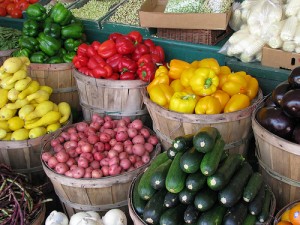
One of the biggest myths I hear when it comes to dieting and healthy eating is that it’s too expensive to sustain on a frugal budget. This absolutely isn’t the case. In fact, many of the eating habits that are good for your body are also good for your budget.

Despite being on a limited cash budget, I’ve lost 7 pounds this summer using these frugal, healthy habits.

Eat at home.

It’s a no-brainer, but honestly, the best thing you can do for your health and your bank account is stop going out to eat.

Shop smart for whole foods.

One of the biggest reasons I’m not a big couponer is that we don’t buy processed foods, and coupons aren’t available for things like produce and fresh meat. While we could get processed items for next to nothing with coupons, I compare nutritional value. You’ll get more nutritional bang for your buck by shopping for fresh produce and meats.

So how do you cut costs on whole foods without coupons? Shop in season and shop on sale. Fresh fruits and vegetables can get quite pricey, but each week there’s something on special. Plan your meals around these items to maximize your grocery dollars without eating unhealthy processed foods.

Plan your meals and avoid mindless snacking.

Those snack foods will kill your budget and your waist line! When you’re finished with your menu, take a serious look at your grocery list. Eliminate anything that won’t be used for a meal.

Snacks aren’t off limits, they just have to be planned like meals. I buy fruits that are on sale or sometimes cheese if the price is right to eat in a small portion and keep my metabolism up. But the important thing is these snacks are part of my menu plan, and I buy only what I need for the week. Throwing snack foods into the cart because they look good and snacking throughout the day without thinking about it is a good way to pile on dollars and extra calories.

Buy only what you need.

If you’re throwing away a lot of food at the end of the week, you’re not only spending too much, you’re also giving yourself too many options. One of the biggest mistakes I made is buying a huge variety of foods to allow myself a lot of options. However, studies show that when people are presented with lots of options, they tend to eat more. Eliminate the temptation and the waste by making a menu plan and sticking to it.

Eat less.

Two years ago when I lost 40 pounds, the first big realization I made was just how many extra calories I was consuming each day. The truth is, a lot of people are eating much more than is necessary to stay healthy and fuel their bodies. You may have to spend more on whole foods, but if you’re not snacking on processed foods in between and you’re eating the right amount at meals, it will even out.

Menu plan: 7/4 – 7/10

What a fabulous, relaxing holiday weekend! We used our entertainment budget to catch the new Johnny Depp movie, “Public Enemies” on Friday. Then we spent the rest of the weekend barbecuing and relaxing with friends.

It was also a great week at the grocery store. We kept it simple, and ended the week with money in our pockets for the first time in several weeks. $15 to be exact!

Here’s our $50 menu for the week:

Sunday: Tomato basil chicken with side salad
Monday: BBQ pork and corn on the cob
Tuesday: Leftovers
Wednesday: Pork tacos
Thursday: BLT salad
Friday: Bean burritos

For more menu plans visit Organization Junkie. Have a great Monday!